Walking into the wheelchair category for the first time can be overwhelming. The range of options is wider than most people expect, manual chairs, power chairs, transport chairs, tilt-in-space, lightweight performance models, and the differences between them matter significantly for how well the chair actually works in daily life.
This guide explains what each type is designed for, who it suits best, and what to look for before making a decision.
Manual Wheelchairs
A manual wheelchair is propelled by the user pushing the large rear wheels, or by a caregiver pushing from behind. It’s the most common starting point for new wheelchair users and covers a wide range of daily mobility needs.
Within the manual category, the options vary considerably in weight, adjustability, and performance.
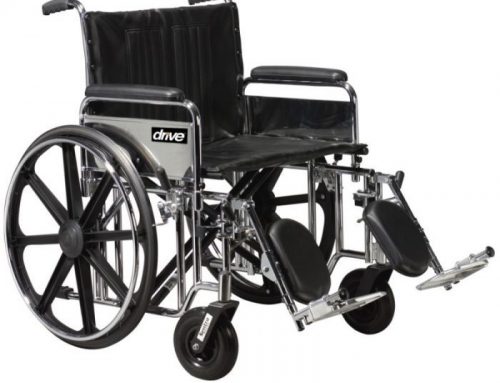
Basic Manual Wheelchairs
Standard steel-frame manual chairs are durable and affordable. They’re a practical choice for occasional use, post-surgical recovery, or situations where the chair will primarily be pushed by a caregiver rather than self-propelled. Most fold for transport and storage.
For short-term recovery or temporary needs, MedNation offers wheelchair rentals in Oakville, an alternative to purchasing when the duration of need is limited.
Lightweight Wheelchairs
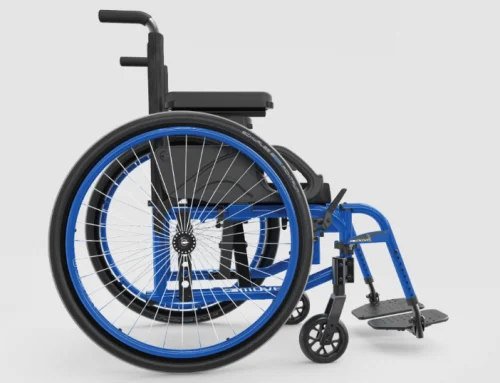
Lightweight aluminum frames significantly reduce the effort of self-propulsion and make the chair easier to load into a vehicle. For users who are active and want to maintain independence, the weight difference between a standard steel chair and a lightweight aluminum model is felt immediately.
The Motion Composites MOVE is a strong example in this category, designed specifically for lightness and simplicity, it’s described by Motion Composites as the lightest standard folding wheelchair on the market. Composite armrests convert from flip-back to single post without tools, and the frame adjusts to a front seat-to-floor height as low as 12 inches for better foot propulsion.
Lightweight Performance Wheelchairs
For users with more demanding daily use, active lifestyles, longer distances, higher performance expectations, the lightweight performance category offers a step up in engineering and materials.
The Motion Composites HELIO A7 uses 7000-series aluminum alloy and a forged vertical axle plate for precise rear wheel adjustability and exceptional maneuverability. The HELIO C2 takes it further with a carbon fiber frame, significantly lighter and designed for users who want maximum performance with minimum fatigue.
These chairs are typically funded through Ontario’s Assistive Devices Program (ADP) for eligible users.
Transport Chairs
Transport chairs are designed for short-distance use where a caregiver is always present. They have four small wheels, no large rear wheels for self-propulsion, which makes them lighter and more compact than standard manual chairs, but limits them to caregiver-assisted movement.
They’re a practical choice for medical appointments, trips to the hospital, or outings where the user doesn’t need to self-propel. Not a substitute for a primary manual or power wheelchair for users who move independently.
Tilt-in-Space Wheelchairs
Tilt-in-space wheelchairs allow the entire seat-and-back unit to tilt as one piece, keeping the user’s hip angle fixed while redistributing pressure off the tailbone and sitting bones. This is different from a standard reclining chair, which opens the hip angle when the back reclines.
Tilt is primarily used for pressure relief, particularly important for users who can’t reposition themselves independently, or who spend many hours in the chair. It’s also used for positioning, comfort management, and fatigue reduction.
The SuperTilt by Maple Leaf Wheelchair is one of the flagship tilt chairs in MedNation’s lineup. It offers up to 45° of tilt with a steel frame capable of supporting up to 500 lbs, one of the higher-capacity tilt chairs available. The tilt mechanism is designed for smooth, consistent operation across its full range. MedNation also carries the PDG Fuze T50, a lighter aluminum-frame alternative with an infinitely adjustable 50° tilt range and a wide range of accessories.
Tilt chairs require a clinical assessment, an occupational therapist or seating specialist is typically involved in determining whether tilt is appropriate and how much range is needed.
Power Wheelchairs
Power wheelchairs are battery-powered and controlled by a joystick or alternative input method. They’re designed for users who don’t have the upper body strength or endurance to self-propel a manual chair over meaningful distances.
The difference between a power wheelchair and a mobility scooter is worth understanding. Power wheelchairs offer more seating support, better indoor maneuverability, and are more appropriate when the user has significant postural or positioning needs. Mobility scooters are better suited for users who are more mobile and primarily need powered assistance for longer distances outdoors.
MedNation’s power wheelchair collection covers indoor and outdoor models with varying turning radii, speeds, and drive configurations. For users who already have a manual chair and want to add powered assistance, a power add-on is also available, a motorized unit that attaches to an existing manual wheelchair without replacing it.
Reclining vs. Tilt-in-Space: What’s the Difference?
Both reclining and tilt-in-space systems are used for positioning and pressure management, but they work differently.
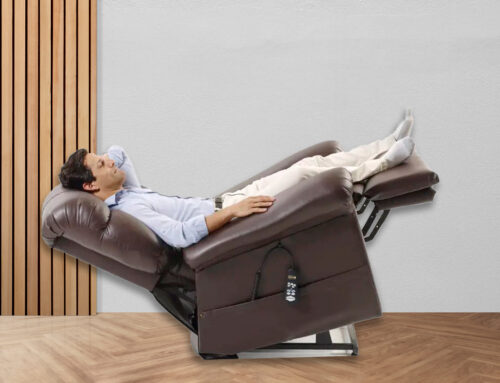
A reclining wheelchair opens the angle between the seat and backrest, essentially leaning the back backward. This is useful for certain care tasks but changes the user’s posture significantly and can cause shear forces on the skin.
A tilt-in-space wheelchair maintains the seat-to-back angle and tilts the whole system as one unit. This provides pressure relief without shear, and is generally the preferred clinical option for users with complex positioning needs.
How to Choose the Right Type
A few questions that help narrow down the right category:
Can the user self-propel? If yes, a manual chair is worth exploring first. If upper body strength or endurance is limited, power is worth considering.
How much time will be spent in the chair? Occasional use suits a basic or transport chair. Long daily hours point toward a more supportive option, lightweight performance for active users, tilt-in-space for users with pressure relief or positioning needs.
Where will the chair be used? Primarily indoors vs. outdoors changes the priorities around wheel size, turning radius, and terrain handling.
Is there a clinical recommendation? Tilt-in-space, power chairs, and many lightweight performance models involve a prescribing professional. If a physiotherapist or occupational therapist is involved in the assessment, their recommendations should guide the final decision.
Browse Wheelchairs at MedNation
MedNation carries manual, transport, lightweight, tilt, and power wheelchairs across a range of needs and budgets, available for purchase or short-term rental. Browse the full wheelchairs and transport chairs collection online, or visit the Oakville store at 78 Jones St, Unit 1 to see the options in person.
For users who need a chair temporarily, wheelchair rentals are available with delivery across Toronto, Mississauga, and the GTA.
Related Posts