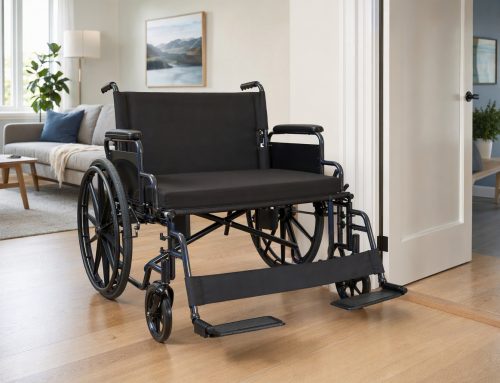
One of the first questions families ask when setting up a wheelchair rental is how long they'll actually need it. Sometimes the answer is straightforward, a six-week recovery after hip surgery, a two-week visit from a family member. More often, the timeline is uncertain, and committing to the wrong rental period creates unnecessary cost or disruption.
This guide explains how wheelchair rentals are typically structured in Ontario, what short-term and long-term rental actually means in practice, and how to decide when renting stops making sense and purchasing takes over.
How Are Wheelchair Rentals Structured in Ontario?
Most wheelchair rental providers, including MedNation, rent on a monthly basis. This means the minimum rental period is typically one month, and the rental continues month-to-month until you're ready to return it.
This structure works well for most situations because it doesn't require you to predict exactly how long you'll need the chair. If recovery goes faster than expected, you return it. If it takes longer, you extend. There's no penalty for keeping it longer than originally planned, and no pressure to return it before the person is actually ready.
Weekly rentals are sometimes available for very short-term needs, a visit, a specific event, or a bridging period, but these are less common and may not always be available depending on inventory.
MedNation's wheelchair rentals in Oakville,Toronto, and the GTA follow this month-to-month model, with delivery and pickup included.
Short-Term Wheelchair Rental: What It Looks Like in Practice
Short-term wheelchair rental typically covers a period of one to three months. The most common scenarios:
Post-Surgical Recovery
Hip replacements, knee surgeries, and lower limb procedures all create a period, usually four to eight weeks, when walking independently isn't safe or possible. A wheelchair during this window gives the person independence at home and makes outings to medical appointments manageable without putting weight through a healing joint.
Most people in this situation don't need the wheelchair for the full recovery period. As strength and mobility return, the chair is used less and less until it's no longer needed. A month-to-month rental handles this naturally, you keep it until you don't need it, then return it.
Illness or Temporary Mobility Loss
Some conditions cause temporary mobility loss that resolves over weeks or months. A flare-up of an inflammatory condition, a viral illness affecting neurological function, or a fracture that doesn't require surgery, all of these can temporarily make walking unsafe while the body recovers. A short-term rental covers the period of reduced capacity without committing to a longer arrangement.
Visiting Family Members
When a family member with mobility challenges comes to visit, particularly from out of province, arranging a local wheelchair rental is often simpler than transporting equipment. MedNation regularly handles short-term rentals for visiting family situations across Oakville, Toronto, and Mississauga, often with just a few days' notice.
If you're also setting up a broader temporary care environment for a visit, the blog post Short-Term Mobility Equipment Solutions for Visiting Family Members covers the full picture of what to consider.
Long-Term Wheelchair Rental: When Does It Apply?
Long-term rental, typically four months or more, applies when the need for a wheelchair is ongoing but the person or family isn't ready to purchase, or when the eventual duration is genuinely uncertain.
Progressive Conditions
Some conditions gradually reduce mobility over time. In the early or middle stages, when the person still has some walking capacity and the wheelchair is used situationally rather than full-time, renting gives flexibility. If the condition progresses and the wheelchair becomes a full-time necessity, the purchase decision can be made with much more clarity about what's actually needed.
Waiting for Assessment or Funding
In Ontario, some wheelchair purchases qualify for partial funding through the Assistive Devices Program (ADP). The assessment and approval process takes time. Renting during that period ensures the person has access to equipment while the funding process runs its course, and avoids spending on a purchase that might be partially covered.
Uncertainty About Long-Term Needs
Sometimes families simply aren't sure whether the wheelchair will be needed for three months or three years. A long-term rental removes the pressure of that decision. If things improve and the chair is no longer needed, it goes back. If the situation becomes clearly long-term, the purchase decision can be made from a position of knowledge rather than uncertainty.
When Does Renting Stop Making Sense?
The tipping point is usually around the four to six-month mark. At that point, the cumulative cost of monthly rentals is approaching, or may have exceeded, the purchase price of a comparable wheelchair model.
For users who need ongoing support, purchasing provides better long-term value and more flexibility in choosing a chair that's precisely fitted to the user's needs. MedNation carries wheelchairs and transport chairs for sale across a range of types and budgets, and the team can help you compare total rental cost against purchase price before making the call.
For a clear breakdown of the different wheelchair types, which matters when evaluating a purchase, the blog post How to Choose the Right Wheelchair for Your Needs is a good starting point.
Can You Switch From Rental to Purchase Mid-Way?
Yes. If you start with a rental and later decide to purchase, MedNation can help you transition. The rental chair you've been using may or may not be the right model for long-term use, sometimes families discover during the rental period that a different type of chair would work better, and the rental period gives useful information for making that decision well.
What About Power Wheelchairs?
Power wheelchairs follow the same monthly rental structure as manual wheelchairs, but with a higher rental cost reflecting the more complex equipment. For users who need powered mobility, typically those with limited upper body strength or endurance, short-term power wheelchair rentals are available while a longer-term solution is arranged.
If you're deciding between a manual and power wheelchair, the blog post Wheelchairs vs. Scooters: Which Is Right for You? covers how powered mobility options compare, including when a scooter might be a better fit than a power wheelchair.
Coordinating a Rental With Other Equipment
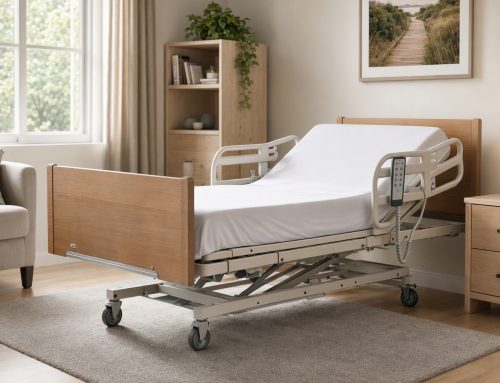
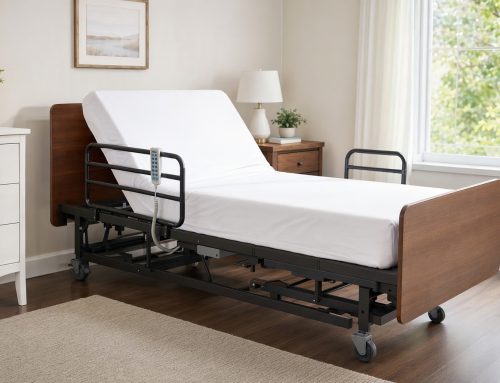
Wheelchair users in a home recovery environment often need more than just the chair. A hospital bed, a lift chair, or walking aids for indoor use are frequently needed alongside a wheelchair. MedNation offers homecare bed rentals and walking aid rentals on the same flexible monthly terms, and can coordinate delivery of multiple items together, which simplifies the setup considerably.
Book a Wheelchair Rental at MedNation
MedNation serves families across Oakville, Toronto, Mississauga, Burlington, and the GTA with flexible wheelchair rental options, monthly terms, delivery included, and no fixed commitment on the return date. The Oakville store is also open for in-person visits if you'd prefer to see the equipment before deciding.
Related Posts