Coming home after surgery feels like a relief until you realize the house isn’t ready. Most families have less than 24–48 hours’ notice before a loved one is discharged, and hospitals rarely provide a detailed equipment checklist. The result? Families scramble at the last minute, often missing critical items that could prevent falls, re-injury, or unnecessary readmissions.
This guide breaks down exactly what equipment families in the GTA typically need for a safe post-surgery recovery at home and how to plan ahead so nothing is left to chance.
Why Home Setup Matters More Than Most Families Expect
Post-surgical recovery at home looks very different from hospital care. There are no call buttons, no adjustable beds, no grab bars beside the toilet, and no trained staff to assist with transfers. For seniors or individuals recovering from joint replacement, cardiac surgery, or major orthopedic procedures, this gap can be dangerous.
According to Canadian patient safety data, a significant portion of post-discharge complications including falls and wound re-injury happen within the first two weeks at home. The right equipment doesn’t just add comfort; it directly reduces these risks.
The good news: most of what you need can be rented short-term, set up quickly, and returned once recovery is complete.
The Core Equipment List for Post-Surgery Home Care
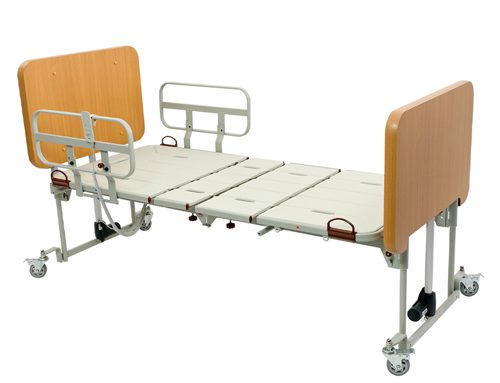
1. Hospital Bed or Adjustable Bed
Standard home beds are too low, too soft, and difficult to get in and out of after surgery. A homecare hospital bed with adjustable height and head/foot positioning makes it significantly easier for the patient to sit up, get in and out safely, and sleep in a position that supports healing. Electric beds are especially valuable for patients recovering from back, hip, or abdominal surgeries.
If the patient already has a bed they prefer, bed accessories including bed rails and over-bed tables can adapt the existing setup.
2. Lift Chair
For patients recovering from knee replacement, hip surgery, or cardiac procedures, getting in and out of a standard armchair puts enormous strain on surgical sites. A lift chair uses a motorized mechanism to gently raise the seated position to standing, removing the need to push up with arms or legs. This single piece of equipment often makes the difference between a patient feeling independent versus dependent on a caregiver for every transition.
3. Wheelchair or Walker
Depending on weight-bearing restrictions post-surgery, patients may need either a walker for partial mobility support or a wheelchair for non-weight-bearing recovery. Walkers and rollators are commonly needed after knee or hip surgeries, while wheelchairs are often required following more serious orthopedic or neurological procedures.
Choosing the wrong mobility aid or none at all is one of the most common setup mistakes families make.
4. Bathroom Safety Equipment
The bathroom is statistically the most dangerous room in the house during recovery. Essential items include:
- Shower chair or transfer bench to allow seated bathing
- Raised toilet seat or toilet frame to reduce the depth of sitting and standing
- Grab bars for tub entry and toilet support
These items are low-cost, easy to install, and have an outsized impact on daily safety. Many families overlook them entirely until a near-fall makes them urgent.
5. Patient Lift and Sling (For High-Dependency Care)
For patients who cannot bear weight or assist with transfers such as those recovering from stroke, major spinal surgery, or amputation a patient lift and sling system becomes essential. These allow one caregiver to safely transfer a patient from bed to chair, chair to wheelchair, or to the bathroom, without physical strain on either party.
Without a proper patient lift, caregivers risk serious back injury, and patients risk falls during manual transfers. This is a non-negotiable item for high-dependency home care situations.
Should You Rent or Buy Post-Surgery Equipment?
For most post-surgical recoveries, renting is the smarter choice. Recovery periods typically range from 4 to 12 weeks, and most equipment isn’t needed beyond that. Renting avoids the upfront cost of purchasing, the challenge of reselling equipment afterward, and the space required to store it long-term.
That said, for patients with ongoing mobility needs, chronic conditions, or who anticipate repeat procedures, purchasing key items like a lift chair or adjustable bed may offer better long-term value.
MedNation offers both rental and purchase options across Oakville, Toronto, Mississauga, Burlington, and the broader GTA with fast delivery that can often be arranged within 24 hours of discharge notification. You can explore the full rental booking options here.
How to Prepare Before Discharge Day
The biggest mistake families make is waiting until the patient is home before thinking about equipment. Here’s a smarter timeline:
Before surgery (if planned): Do a room-by-room walkthrough. Identify where the patient will sleep, sit, and bathe. Measure doorways if a wheelchair may be needed. Arrange equipment delivery for 1–2 days before the surgery date.
During hospital stay: Ask the discharge nurse or occupational therapist for a specific equipment list based on the procedure and the patient’s mobility level. This is often available but rarely volunteered.
Day before discharge: Confirm delivery is scheduled. Have the primary caregiver present for setup so they understand how to use each item safely.
A Note on Caregiver Safety
Most of the conversation around post-surgery home care focuses on the patient but caregiver injury is a serious and underreported issue. Improper patient transfers are one of the leading causes of back injuries in informal caregivers.
Investing in the right equipment particularly a patient lift, a properly adjusted walker, and a bed at the correct height protects the caregiver just as much as the patient. This is especially important when the primary caregiver is a spouse or aging family member themselves.
Getting Equipment Quickly in the GTA
Most families contact MedNation after a loved one is already home and often after something has already gone wrong. If you’re planning ahead, the earlier you reach out, the better your options.
MedNation serves families across Oakville, Toronto, Mississauga, Milton, Burlington, Etobicoke, and the full GTA, with same-day and next-day delivery available on many items. Whether you need a single shower chair or a complete post-surgery bedroom setup, the team can help you identify what’s needed and get it to you fast.
Contact MedNation to discuss your specific situation before discharge day.
If you’re looking to make longer-term accessibility improvements beyond the recovery period, our guide on how to make your home more accessible with medical equipment is a great place to start.
Related Posts