Safe home accessibility doesn’t happen by accident. Whether you’re supporting an aging parent, recovering from surgery, or navigating life with a long-term condition, accessibility isn’t a bonus; it’s a basic need. The right equipment and layout makes daily tasks easier and helps people regain confidence in their space.
The good news is that making a few simple modifications can play a pivotal role in whether a person maintains their independence, or anyone with an illness, disability, injury, or mobility issue is able to function safely. We’ve compiled this short guide telling you what you need to know to make your home more accessible, room by room.
Start With Safety and Security
Before fancy tech or stylish upgrades come into play, ask the basics. Is the space safe? Can someone get help if they fall? Could a hallway become a hazard during a blackout?
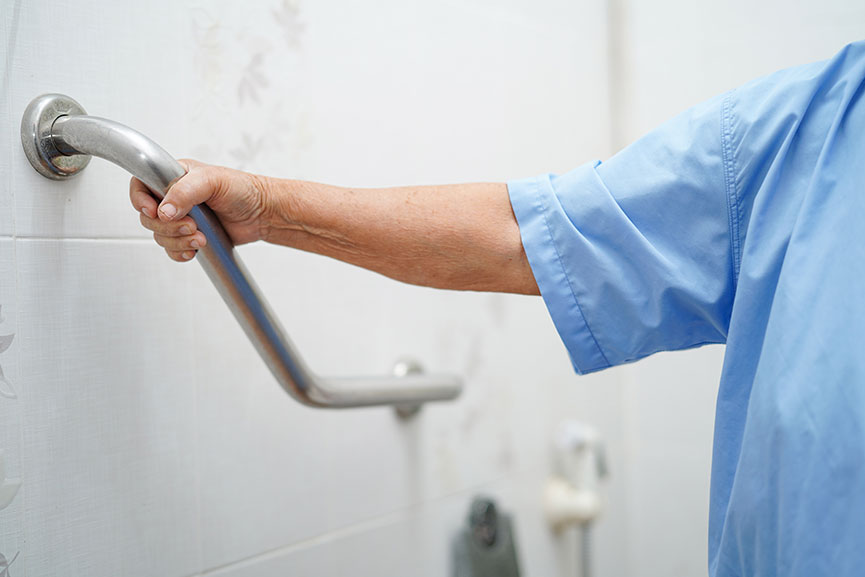
Even small adjustments matter. Grab bars should be added near toilets and showers. Handrails on both sides of any staircase can prevent missteps. Floors in kitchens, bathrooms, and laundry rooms should either be textured or layered with rubber-backed mats.
Light placement is another factor that’s often overlooked. Were motion-activated lights installed near stairways or doorways? Have plugs for nightlights been placed by the bed and bathroom? Light switches, when possible, should be reachable with one hand and operable without twisting. Lever handles or touch panels work better than round knobs.
Finally, check that any medical alert or home security system still functions during power outages or Wi-Fi loss. These are more than technical specs; they’re the details that keep people safe when it really counts.
Modify Bathrooms to Prevent Falls
Bathrooms pose serious risks. Wet floors, tight layouts, and a lack of stable surfaces make slips more likely. Start with the shower. A walk-in unit with a low entry point improves safety. Include a wall-mounted bench and a handheld showerhead with a long hose. Where remodelling isn’t an option, a sliding transfer bench or shower chair can still help significantly.
For toileting, raised seats or comfort-height toilets ease movement. Add side rails or wall-mounted grab bars. In tighter spaces, mobile commodes may offer added flexibility. Replacing bulk vanities with pedestal or floating sinks can make the area more accessible for wheelchair users too.
Additionally, always remove loose mats, even those with grips. Bathroom flooring should stay clear and secure.
Make the Kitchen Easier to Use
A kitchen should help, not get in the way. When reaching the sink or using the stove becomes difficult, even simple meals can start to feel out of reach.
Lowering part of the counter and removing the cabinet below the sink can make space for someone who needs to sit while cooking. A tilted mirror above the stove helps people see what’s on the burner without having to lean in. It’s also safer when controls are right on the front.
Pull-out drawers, rotating shelves, and easy-slide organizers cut down on reaching and bending. Everyday items should be stored low and easy to grab. Adding magnetic strips for utensils or under-cabinet lighting can make a small task run a little smoother too.
A stool with back support or a rolling chair with brakes offers comfort and stability. Installing a cutting board station that’s also set at elbow height can take a major load off. These updates aren’t very fancy, but they do make a world of a difference.
Make Bedroom Transfers Easier
The bedroom should allow people to sleep comfortably and transfer safely. Adjustments here focus on getting in and out of bed and reducing the risk of nighttime falls.
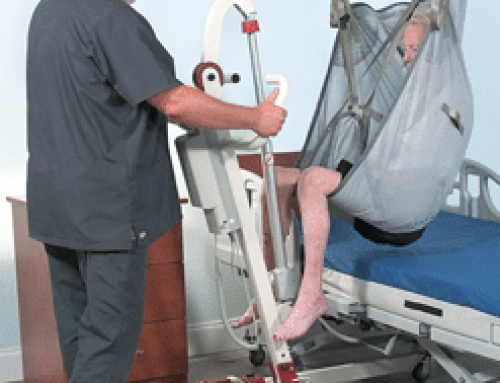
Install a bed with adjustable height settings. Both manual crank and powered models work. Also, if the budget allows, setting up a ceiling lift system that connects the bed to the washroom can be incredibly helpful. Portable ceiling lifts are available for rentals or buildings with structural limits to help lift and move users from bed to bedside.
Add a trapeze bar if someone can pull themselves upright. Wall-mounted lighting with large toggles or touch controls helps people turn on lights without reaching or twisting. Floor lighting activated by motion can prevent nighttime trips or confusion.
Ensure at least one dresser or nightstand has pull handles, not knobs. Outfit drawers with self-closing mechanisms to reduce clutter. Make sure to remove rugs that slip underfoot as well.
Improve Living Room Layouts
Shared spaces often contain unnecessary furniture that complicates movement. Remove low coffee tables, rugs without grips, and cords running across walkways.
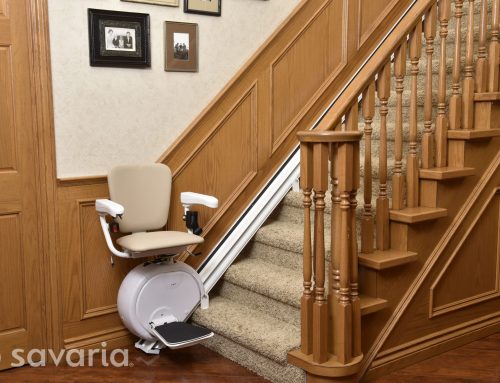
Install a stair lift if the living room is on a separate level. Add a patient transfer lift, such as a Hoyer model, to assist with movement in and out of chairs. These lifts also reduce strain on caregivers, allowing for more frequent transitions without assistance.
For users who can self-transfer, provide transfer boards or support poles. Keep chairs firm, with armrests and stable bases. Recliners with lift-assist functions can reduce the difficulty of standing or shifting positions.
Use Technology That Supports Autonomy
Today’s electronics can simplify life, but not every device fits every user. Be specific in what you choose. Smart locks allow caregivers to enter at scheduled times, but always ask what happens when the system loses power.
Install environmental control units that adjust bed position, operate lights, and manage TV or fan functions. Voice assistants like Siri or Alexa are useful, but should never be the only method of control. Always include manual backups.
Set up phones with one-touch dialling for emergency services. For those unable to speak or hold a device, install switch-activated call systems or voice-activated emergency alerts.
Address Transfers Throughout the Home
Transfers are a constant issue for wheelchair users and people with limited mobility. Whether going from bed to chair, chair to toilet, or any other surface, the process must be as seamless and safe as possible.
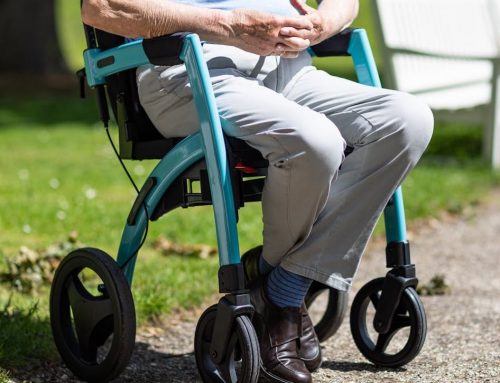
Use hydraulic or electric patient lifts in shared spaces. Ceiling tracks can span multiple rooms when installed properly. If that level of modification isn’t allowed, portable lifts provide a workable solution for short-range transfers.
Install grab bars and transfer poles at key points. Bathrooms, bedrooms, and hallways should never be without them. In cases where users transfer independently, include equipment, such as transfer boards and floor recovery tools, like paraladders.
Don’t forget about the smaller spaces. Can a wheelchair turn into the laundry area? Is there enough clearance to open the fridge? The overall layout must be able to support all daily tasks, not just obvious ones.
Contact MedNation for Professional Home Accessibility Equipment
Creating an accessible home requires thoughtful planning, the right medical equipment, and support that suits the person. Simply put, there’s no one-size-fits-all solution available. Some updates are simple to install, while others may need expert assistance.
When you need to install the right tools, adapt living spaces, or set up technology that works, our team at MedNation can guide you. We specialize in home accessibility and assistive medical equipment that supports real-world needs.
Call us at +1 289-275-4761 or contact us online today. Let us help you create a safe home where your loved ones can live with autonomy, comfort, and peace of mind.
Related Posts