Choosing a medical walker sounds simple until you actually start looking at the options. Standard walkers, rollators, folding models, seats, wheels, brakes, suddenly there are far more choices than most people expect.
For seniors recovering after surgery, patients going through rehabilitation, or caregivers helping a loved one at home, the right walker can make everyday movement feel safer and less exhausting. The wrong one can do the opposite. That’s why it’s important to think beyond appearance and focus on comfort, support, and how the walker will actually be used throughout the day.
Many families comparing different walkers and rollators quickly realize that every recovery situation is a little different, and the best option often depends on the person’s strength, balance, and level of independence.
A Standard Walker Isn’t Always the Best Option
A lot of people assume a basic walker is automatically the safest choice, but that’s not always true. While standard walkers offer strong stability, they also require users to lift or slide the frame forward with every step. For some patients, especially after surgery, that can become tiring very quickly.
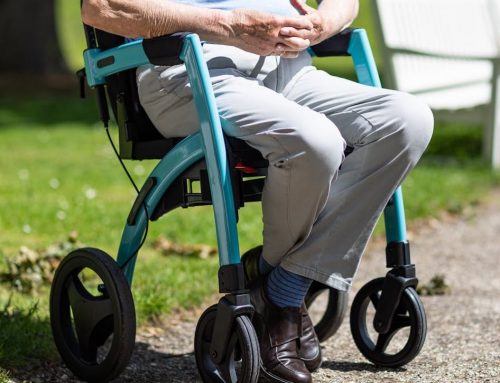
Others may feel more comfortable using a rollator with wheels and hand brakes because it allows smoother movement and less strain on the arms and shoulders. Rollators are especially helpful for people who can still walk independently but need support for balance or longer distances.
When comparing different walking aids for recovery and mobility, it often helps to think about how much support is truly needed instead of choosing the most rigid option available.
The Right Fit Makes a Bigger Difference Than Most People Realize
One of the most common mistakes people make is using a walker that’s adjusted too high or too low. Even a good-quality walker can feel uncomfortable if it isn’t fitted properly.
A walker should allow the user to stand naturally without leaning forward. The hands should rest comfortably on the grips, and the elbows should bend slightly while walking. Small adjustments can make movement feel much smoother and reduce pressure on the back, shoulders, and wrists.
This becomes especially important during longer recovery periods when the walker is being used throughout the day at home.
Recovery Needs Can Change Faster Than Expected
Many people only expect to use a walker for a week or two after surgery, but recovery timelines don’t always go exactly as planned. Some patients regain mobility quickly, while others need support for longer than expected.
That’s one reason temporary rentals have become more common for recovery situations. Instead of rushing into a permanent purchase, families often prefer walking aid rentals so they can adjust equipment choices as recovery progresses.
For example, someone may begin with a standard walker immediately after surgery and later transition to a rollator once balance and strength improve.
Comfort Matters More Than People Expect
When people think about walkers, they usually focus on stability first. But comfort matters just as much, especially for seniors or patients using mobility support every day.
Features like lightweight frames, softer grips, built-in seats, and smoother wheels can make a noticeable difference during recovery. A walker that feels easier to move often encourages people to stay more active and confident throughout rehabilitation.
Something as simple as having a seat available during longer walks can help reduce fatigue and make outings feel less stressful.
The Goal Is Staying Independent for as Long as Possible
For many seniors and recovery patients, using a walker is not about losing independence. In many cases, it’s what allows them to keep it.
The right mobility support can help people move around the house more safely, continue daily routines, and feel more confident without relying heavily on others for assistance. Whether someone needs short-term recovery support or long-term balance assistance, choosing the right equipment can make everyday life feel much more manageable.
Families exploring mobility support options often begin by comparing products through MedNation to better understand which walker styles fit their daily routines, comfort preferences, and recovery goals.
Related Posts